
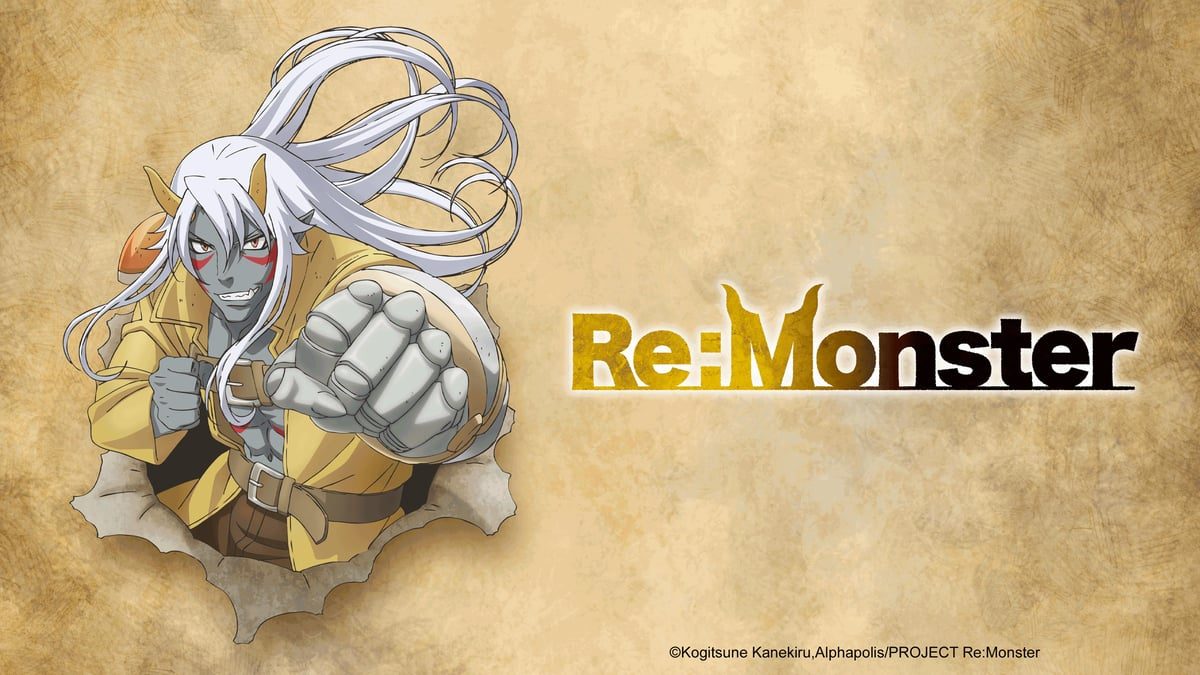
Re Monster Shop Anime: 7 Hidden Details Even Fans Miss
Fans of quirky supernatural comedies know that Re Monster Shop has more layers than its cute monster mascots suggest. While the series delights viewers with whimsical shop scenes and oddball characters, it hides a plethora of Easter eggs, visual cues, and subtle callbacks that even the most devoted followers can overlook. In this article, we’ll peel back the curtain and reveal seven hidden details that deepen the lore and showcase the creators’ meticulous craftsmanship.
1. The “Re Monster Shop” Name Echoes Classic Folklore
Beyond being a catchy title, the series name subtly references traditional Japanese yokai marketplaces found in Edo-period tales. The kanji used for “Re” (霊) hints at spirits, while “Monster Shop” mirrors historic “kappa” stalls where mythical creatures bargained with humans. This linguistic nod explains why the shop’s inventory feels like a curated museum of folklore rather than random monster merch.
Observant viewers will also notice that the shop’s neon sign flickers in a rhythm matching an old lullaby about yokai merchants, reinforcing that the creators deliberately tied the shop’s identity to historic mythic commerce.
2. Background Posters Reveal Unseen World-Building
Every episode’s backdrop is peppered with posters and flyers that hint at larger events beyond the shop’s walls. In episode three, a torn poster advertises a “Moonlight Parade” featuring a giant illuminated Gashadokuro. Although never shown, it confirms that the city holds regular supernatural festivals, explaining why the shop is constantly bustling with new customers.
Another subtlety appears in the fourth episode’s alleyway mural, depicting a timeline of monster evolution. Fans who pause the frame can trace the lineage from ancient oni to the modern, tech‑savvy spirits that populate the series, showcasing an elaborate visual backstory.
3. Voice Actor Cameos Are Hidden in Plain Sight
Several supporting characters are voiced by renowned anime veterans, but their presence isn’t announced in the credits. In episode five, the grumpy landlord’s deep baritone belongs to a voice actor famous for playing an iconic monster in a 1990s classic. This cameo rewards long‑time fans who recognize his signature growl.
Additionally, a brief scene where a child’s toy chatter mimics a famous anime catchphrase is actually the protagonist’s voice actor re‑recording one of his earlier roles. These hidden layers add a meta‑humor that most viewers miss on first watch.
4. Color Palette Shifts Signal Story Beats
While the series maintains a bright, pastel aesthetic, subtle shifts in the color palette often foreshadow narrative twists. When the shop faces a threat, the background hues subtly drain to cooler blues, and the monster’s eyes gain a faint amber glow—an unconscious cue about impending danger.
Conversely, moments of resolution see a brief surge of warm gold tones, especially around the shop’s cash register, symbolizing the comfort of trade and agreement. These visual signals enrich the viewing experience for fans attuned to detail.
5. Hidden References to Other Anime Genres
Throughout Re Monster Shop, the creators sprinkle nods to various anime subgenres. A quick glance at the shop’s “Specials” board reveals a “Mecha Monday” deal, accompanied by a tiny sketch of a robot monster resembling a beloved mecha series protagonist. This clever cross‑genre wink is a treat for fans who watch beyond the supernatural comedy realm.
In episode eight, a customer wears a scarf identical to one from a famed shōnen battle anime, suggesting the universe’s characters occasionally cross paths with other fictional worlds.
6. The “Forgotten Shelf” Holds Lore Secrets
The dusty, seldom‑seen shelf behind the counter is more than clutter. Its items—a cracked amulet, a weathered diary, and a half‑melted ice cream cone—each correspond to a backstory revealed in later episodes. The amulet, for instance, belongs to a legendary guardian spirit mentioned in episode twelve, linking the shop’s inventory to deeper mythic narratives.
Fans who pause at just the right moment can read the diary’s cryptic entries, which hint at a hidden alliance between the shop owner and a secret council of monsters, adding intrigue to the seemingly simple setting.
7. Sound Design Embeds Hidden Messages
Beyond visual cues, the series’ sound design carries subtle messages. When a new monster enters, a faint chime mirrors the opening notes of an old Japanese folk song about wandering spirits. This auditory cue reinforces the monster’s lore without explicit exposition.
Moreover, background chatter sometimes includes whispered phrases—like “key to the vault” or “midnight delivery”—that foreshadow plot twists, rewarding attentive listeners who catch these fleeting hints.
These seven hidden details demonstrate that Re Monster Shop is a treasure trove for the observant eye and ear. By weaving folklore, visual storytelling, and meta‑references into its fabric, the series offers layers of enjoyment that go far beyond its charming surface. The next time you dive into an episode, keep your senses sharp—you might just uncover another secret the creators tucked away for the most dedicated fans.


