Akio Ohtori The True Villain of Revolutionary Girl Utena
Akio Ohtori: The True Villain of Revolutionary Girl Utena
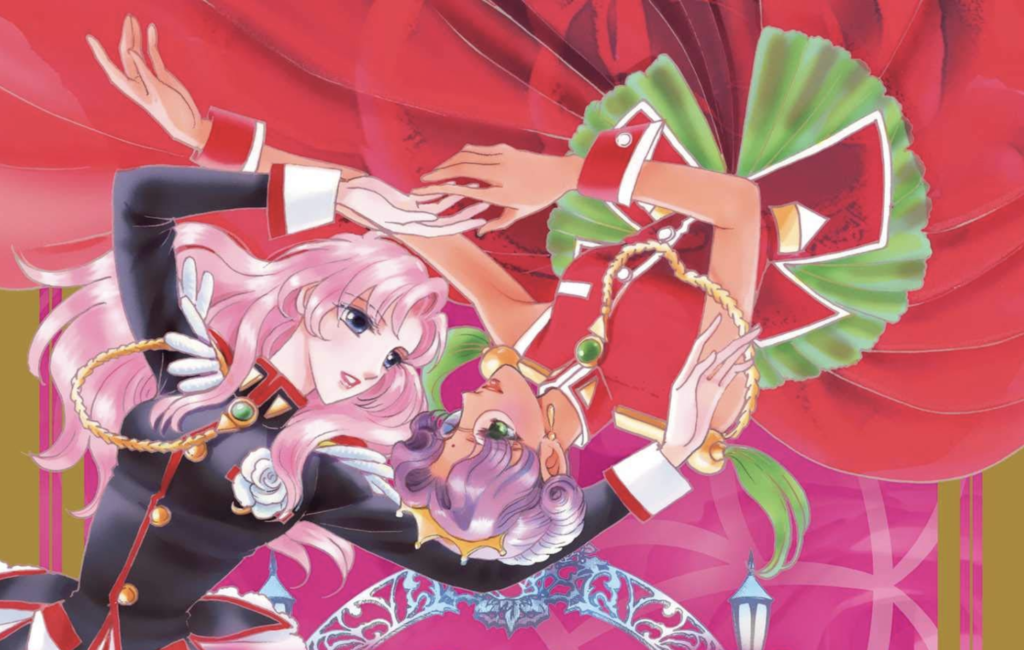
"Revolutionary Girl Utena," a masterpiece of anime created by Kunihiko Ikuhara, delves deep into themes of gender, power, and the complexities of adolescence. At the core of this enigmatic narrative lies Akio Ohtori, a character whose charms and manipulations earn him the title of the true villain of the series. While Utena Tenjou, the protagonist, engages in duels and quests for her idealized notions of heroism, it is Akio whose insidious influence orchestrates much of the chaos around her. His sophisticated facade masks a darker reality that raises questions about the societal norms surrounding masculinity and authority.
The Enigmatic Charisma of Akio
From his initial introduction, Akio Ohtori captivates those around him with his boyish charm and suave demeanor. This charm serves as a powerful tool in manipulating the people in his life, including Utena herself. Akio embodies the archetypal 'prince' figure, which draws Utena in as she seeks to protect her ideals of love and justice. However, behind this charming exterior lies a selfish and calculating individual who uses his relationships to dominate and control. The complexity of Akio’s character forces viewers to confront the stark realities of toxic masculinity, revealing how charm can often mask cruelty and betrayal.
The Machinations of Power
Throughout the series, Akio operates within a web of power plays, employing tactics that exploit the vulnerabilities of those he encounters. His manipulation extends to the student council and the various duelists, guiding them like pieces on a chessboard to maintain control over the mysterious dueling game. By orchestrating events that lead to conflict and betrayal, Akio illustrates how power structures can ruin friendships and distort identity. He uses the promise of transcendence and liberation as bait, ironically revealing how individuals can become ensnared in the very systems they wish to escape. By analyzing Akio’s role, fans can gain a deeper understanding of how societal pressures influence the behavior of both characters and individuals in the real world.
Akio as a Reflection of Societal Norms
Akio Ohtori not only serves as a villain in his personal narrative but also represents broader societal issues, particularly regarding gender roles. His character can be seen as an embodiment of patriarchal values that dictate how men and women play their parts in relationships and society. The way Akio toys with Utena’s ideals showcases a dissection of what it means to be a ‘hero’ and the often-problematic expectations that accompany such a role. Utena's journey becomes increasingly tragic as she confronts the uncomfortable truth about the ‘prince’ she idolizes. As viewers witness Utena's evolution, it is clear that Akio’s influence complicates her understanding of identity, love, and personal agency.
Collecting the Legacy: Revolutionary Girl Utena shop
For those captivated by the depths of Akio Ohtori and the themes presented in "Revolutionary Girl Utena," exploring dedicated fandom spaces, such as the Revolutionary Girl Utena shop, offers an opportunity to celebrate the complexities of the series. Fans can find a range of merchandise, from iconic character figurines to intricate art prints that encapsulate the beauty of the anime. Engaging with such resources not only allows fans to connect with the aesthetics of the series but also serves as a reminder of the ongoing conversation surrounding its themes, particularly the impact of characters like Akio. In the realm of "Revolutionary Girl Utena," the line between heroism and villainy remains beautifully blurred, and the legacy of its characters continues to resonate with audiences around the world.


